10 Talent Acquisition Best Practices for Elite Engineering Teams in 2025
Discover 10 actionable talent acquisition best practices for building elite engineering teams. Learn how to source, hire, and retain the top 1% of talent.
In today's hyper-competitive tech landscape, the ability to attract and retain top-tier engineering and AI talent is no longer a luxury, it's the primary driver of innovation and growth. Generic recruitment tactics fall short when the goal is to build a team composed of the top 1% of performers. This requires a sophisticated, strategic approach, moving beyond simply filling roles to architecting a high-performance organization. This article provides a comprehensive roundup of 10 essential talent acquisition best practices, designed specifically for companies aiming to build and scale world-class technical teams.
This is not a list of abstract theories or obvious advice. Instead, you'll find a blueprint packed with actionable strategies, practical implementation steps, and real-world examples. We will cover the entire talent lifecycle, providing a holistic framework for transforming your recruitment function into a strategic advantage.
Here’s a look at what we'll cover:
Building Your Brand: Crafting a compelling employer value proposition that resonates with elite engineers.
Strategic Sourcing: Implementing targeted sourcing strategies across global and remote channels.
Effective Evaluation: Designing streamlined technical assessments and skills validation processes.
Data-Driven Decisions: Leveraging recruitment metrics and analytics to optimize every stage.
Process Excellence: Creating a structured and consistent candidate interview experience.
Future-Proofing: Building robust candidate relationships and talent pipelines for long-term needs.
From advanced sourcing in global markets to creating an irresistible employer brand, these actionable strategies will equip you to win the war for talent. Let’s dive into the practices that separate good hiring from great team-building.
1. Build a Strong Employer Brand and Value Proposition
Before a single job description is posted, the most elite engineers and AI specialists have already formed an opinion about your company. This perception is your employer brand, and it's one of the most critical assets in modern talent acquisition. A strong employer brand acts as a magnet, attracting top-tier candidates proactively, reducing reliance on outbound sourcing, and significantly shortening the time-to-hire. It's the narrative that answers a candidate's core question: "Why should I build my career here instead of anywhere else?"

For organizations building specialized engineering teams, this means moving beyond generic perks. Your Employer Value Proposition (EVP) must be deeply rooted in the technical challenges, growth opportunities, and impact your team offers. Companies like Google built their brand on solving impossibly large-scale problems, while others differentiate through a commitment to open-source contributions or a flexible, remote-first culture. A well-defined brand not only attracts talent but also ensures a better cultural and technical fit, improving long-term retention. Understanding this dynamic is key, especially when navigating budget constraints while trying to attract top tech talent.
Actionable Implementation Steps
Publish Technical Case Studies: Move beyond marketing-speak. Develop and share in-depth case studies detailing a complex AI model implementation or a challenging cloud migration project. Showcase the problem, the technology stack used (e.g., AWS SageMaker, Azure ML, GCP Vertex AI), and the tangible business outcome.
Showcase Your Experts: Feature your senior engineers and AI researchers on your company blog, in webinars, or at industry conferences. This thought leadership not only builds credibility but also gives candidates a glimpse of the brilliant minds they could be working with.
Highlight Global Team Integration: If you leverage nearshore or remote teams, create content that showcases this as a strength. Feature testimonials from international team members and highlight the collaborative tools and processes that make your distributed model a success. Emphasize advantages like local project management and diverse perspectives.
At TekRecruiter, we pitch your engineering culture to the top 1% of tech and AI talent every day, and we tell you which parts of your story land with candidates.
2. Implement Targeted Sourcing Strategies Across Multiple Channels
Relying solely on inbound applications for highly specialized roles like AI engineering or cloud architecture is a recipe for a slow, frustrating hiring process. Elite talent is often passive, meaning they are not actively looking for a new role but are open to the right opportunity. This is where targeted, multi-channel sourcing becomes an indispensable part of your talent acquisition best practices. It's the proactive art of identifying, engaging, and building relationships with top-tier candidates across the specific platforms and communities they frequent.

This approach requires moving beyond generic keyword searches on LinkedIn. For a DevOps role, it means searching GitHub for engineers contributing to infrastructure-as-code projects. For an AI specialist, it involves engaging with researchers presenting at conferences like NeurIPS or active in Kaggle competitions. To effectively fill your talent pipeline, mastering modern candidate sourcing strategies is non-negotiable. This focused methodology ensures your outreach is relevant and reaches the small percentage of professionals with the niche skills you need, as detailed in our guide on sourcing tech talent who aren't job hunting.
Actionable Implementation Steps
Go Beyond LinkedIn: While essential, don't stop there. Use platforms like GitHub to assess code quality and contribution history before outreach. Explore Stack Overflow to identify experts who actively solve complex problems, and engage in niche Slack or Discord communities dedicated to specific technologies (e.g., Kubernetes, PyTorch).
Leverage Nearshore Talent Hubs: Proactively build connections within thriving international tech communities in regions like Latin America. Partner with local meetups, sponsor regional hackathons, and build a presence in forums popular with developers in these areas to tap into a rich pool of highly skilled, accessible talent.
Create Advanced Boolean Searches: Develop and save complex Boolean strings that combine specific skills (AWS, Azure, GCP), programming languages (Python, Go), AI frameworks (TensorFlow, Scikit-learn), and seniority levels. This precision filtering dramatically improves the quality of your candidate pool and reduces time spent screening.
At TekRecruiter, our expertise lies in multi-channel sourcing that uncovers the hidden gems in the global tech and AI talent market. We go where top engineers are, building the relationships that allow us to deliver the top 1% of talent for your team.
3. Streamline Technical Assessment and Skills Validation
In the world of elite engineering and AI, a resume is merely an introduction. True validation comes from a rigorous, fair, and efficient technical assessment process. One of the most critical talent acquisition best practices is to design skills validation that accurately measures a candidate's ability to solve real-world problems, not just theoretical puzzles. A streamlined process respects the candidate's time, eliminates unqualified applicants early, and provides concrete data to make confident hiring decisions for roles involving cloud platforms, AI engineering, and DevOps.

The goal is not to stump candidates but to create an environment where their skills can shine. This means moving beyond generic LeetCode problems and towards assessments that mirror the daily work. For a DevOps role, this could be an architecture design exercise for a scalable cloud infrastructure. For an AI Engineer, it might be a take-home project focused on data preparation and model tuning. By aligning assessments with actual project needs, you gain a far more accurate picture of a candidate's potential contribution while signaling that your organization values practical, applicable expertise. Properly designed challenges are a cornerstone of any effective hiring strategy, and understanding the importance of programming assessments is key to building a high-performing team.
Actionable Implementation Steps
Implement Tiered, Role-Specific Challenges: Design assessments that reflect the actual work. Use practical coding challenges on platforms like HackerRank for initial screening, followed by a take-home project simulating a real feature build or a pair programming session to evaluate collaboration and live problem-solving.
Create a Cloud Architecture Whiteboard Session: For senior cloud and DevOps roles, present a business problem (e.g., "Design a resilient, multi-region e-commerce backend") and have the candidate whiteboard the architecture. This tests their knowledge of services, security, and cost optimization in real time.
Validate Certifications with Scenario-Based Questions: Don't just check the box for an "AWS Certified Solutions Architect" certification. Ask targeted questions that test the practical application of that knowledge, such as, "How would you troubleshoot a sudden spike in Lambda function latency in our production environment?"
At TekRecruiter, our vetting process goes beyond resumes to include rigorous, role-specific technical assessments designed to identify the top 1% of engineers. We ensure you're only meeting candidates with proven, validated skills.
4. Leverage Data-Driven Recruitment Metrics and Analytics
In the world of engineering and AI, decisions are made based on data, not guesswork. Your talent acquisition strategy should be no different. A data-driven approach moves recruitment from a reactive function to a strategic, predictive powerhouse. By systematically tracking and analyzing key metrics, organizations can pinpoint inefficiencies, optimize resource allocation, and make informed decisions that directly impact the speed and quality of hiring. This is one of the most crucial talent acquisition best practices for scaling technical teams effectively.
For roles like Senior DevOps Engineers or Machine Learning Specialists, intuition alone is insufficient. You need to know which sourcing channels yield the highest-quality candidates, how long it takes to move an engineer through your pipeline, and why top candidates are declining your offers. For instance, analyzing your offer acceptance rate might reveal that your compensation packages are competitive for mid-level roles but fall short for principal engineers. Similarly, tracking source effectiveness can show that a niche AI community forum outperforms a major job board, allowing you to reallocate your budget for maximum ROI and a higher quality of hire.
Actionable Implementation Steps
Establish Foundational KPIs: Begin by tracking essential metrics like time-to-fill, cost-per-hire, and offer acceptance rate. Establish a baseline for these numbers so you can accurately measure the impact of any process changes you implement.
Focus on Quality-of-Hire: Move beyond speed and cost. Develop a "Quality-of-Hire" metric by combining data from performance reviews, project success rates, and 12-month retention for new hires. This provides a true measure of your recruitment process's long-term success.
Analyze Source Effectiveness: Don't just track where candidates come from; track where your best hires come from. Segment this data by role and seniority. For example, you might find your best nearshore talent comes from targeted LinkedIn outreach, while top AI researchers are sourced via academic conferences. Use this data to double down on what works.
At TekRecruiter, we provide our partners with detailed analytics on candidate pipelines and market intelligence. We help you transform your hiring process into a data-driven engine to secure the top 1% of tech and AI talent.
5. Create a Structured Candidate Interview Process with Consistency
Leaving interviews to unstructured, "go-with-the-flow" conversations is a significant liability in technical recruiting. A structured interview process is one of the most impactful talent acquisition best practices because it systematically reduces interviewer bias and ensures every candidate is evaluated against the same objective benchmarks. Instead of relying on gut feelings, this methodology uses a consistent set of role-specific questions, predefined evaluation criteria, and a standardized scoring rubric for every applicant.
This approach is critical when hiring for specialized roles like cloud architects or AI engineers, where different interviewers might have varying opinions on what "good" looks like. A structured process forces alignment. For example, all candidates for a Senior DevOps Engineer role might face the same hands-on AWS security configuration scenario and be scored on identical criteria for efficiency, security, and scalability. This consistency provides defensible, data-driven hiring decisions rather than subjective preferences, leading to higher-quality hires and improved team cohesion. It also ensures you are asking the right questions in a tech interview to truly gauge a candidate's abilities.
Actionable Implementation Steps
Develop Role-Specific Interview Guides: Create a standardized guide for each role that includes a mix of behavioral (using the STAR method), technical, and situational questions. Define what a 1-to-5 score means for each question to calibrate interviewers.
Train Your Interview Panel: Conduct mandatory training for anyone involved in the hiring process. Cover topics like unconscious bias, the importance of sticking to the script, and how to use the scoring rubric effectively and consistently.
Implement Independent Scoring: Require all interviewers to complete their evaluation rubrics independently immediately after the interview, before discussing the candidate with the group. This prevents a single strong opinion from swaying the entire panel.
At TekRecruiter, we help you shape structured interview loops tailored for elite engineering and AI roles. We ensure your evaluation process is consistent, fair, and effective at identifying the top 1% of talent.
6. Build Candidate Relationships and Talent Pipelines for Future Needs
Reactive recruiting, where you only start searching when a position is open, is a recipe for long hiring cycles and compromised quality, especially in hyper-competitive tech markets. The best talent acquisition best practices shift this model from reactive to proactive. This involves building and nurturing a pipeline of high-quality candidates who may not be actively looking, ensuring you have a warm pool of talent ready when a need arises. It’s about playing the long game, transforming talent acquisition from a transactional function into a strategic, relationship-driven one.
This approach is invaluable for specialized roles like AI engineers, data scientists, and cloud architects, where demand far outstrips supply. Instead of scrambling, you can tap into a curated network of professionals you've already engaged with. This pipeline isn't just a list of names; it's a community built through consistent, value-add communication, such as sharing relevant industry insights or celebrating a candidate's career milestones. By maintaining these connections, even with silver-medalist candidates from previous processes, you dramatically reduce future time-to-hire and ensure you remain top-of-mind for the industry's most sought-after experts.
Actionable Implementation Steps
Segment and Nurture Your Pipeline: Use your ATS or a dedicated CRM to segment passive candidates by skill set (e.g., "Python/PyTorch," "GCP Cloud Architects"), experience level, and geographic location. Create targeted communication campaigns, such as a quarterly newsletter with AI engineering case studies or a monthly digest of open-source cloud projects.
Activate Proactive Referral Programs: Go beyond passive referral requests. Launch targeted campaigns asking your current engineers, "Who is the best DevOps engineer you've ever worked with?" and offer significant bonuses for successful pipeline introductions, not just hires. This actively mines your team's professional networks for top-tier talent.
Host Exclusive, Invite-Only Events: Engage your pipeline by hosting virtual tech talks, Q&A sessions with your CTO, or webinars on complex technical topics. These events provide value to passive candidates, showcase your company's technical depth, and keep your organization visible as a desirable place to work.
At TekRecruiter, we specialize in building and managing robust talent pipelines of elite engineers and AI specialists. Our proactive approach ensures you have access to the right talent precisely when you need it, cutting down your hiring timelines and giving you a critical competitive advantage.
7. Optimize Offer and Compensation Strategy for Competitive Markets
In hyper-competitive markets for elite AI and engineering talent, the offer stage is the final, most critical hurdle. A reactive or outdated compensation strategy can unravel weeks of meticulous sourcing and interviewing. A best-in-class approach goes far beyond base salary; it’s a holistic package designed to meet the candidate's professional, financial, and personal priorities. This comprehensive strategy is a powerful closing tool, significantly boosting offer acceptance rates and securing top-tier specialists who have multiple competing opportunities.
For specialized roles like AI/ML engineers or cloud security architects, the total compensation narrative is key. A senior AI engineer may value equity and the potential for long-term wealth creation more than a slightly higher base salary. Similarly, a DevOps specialist might be swayed by a significant professional development budget and bonuses for achieving AWS or Azure certifications. By understanding these nuances and benchmarking aggressively against both direct competitors and the broader market, you craft offers that are not just competitive but compelling. This is one of the most vital talent acquisition best practices for winning in a candidate-driven market.
Actionable Implementation Steps
Benchmark Total Compensation, Not Just Salary: Conduct quarterly market analysis that includes base salary, equity grants, sign-on bonuses, and performance-based incentives for your key roles. Look at data for both onshore and nearshore markets to optimize budget allocation.
Offer Skills-Based Incentives: Implement a clear policy for certification bonuses. Offering a bonus for achieving an AWS Certified DevOps Engineer or Google Cloud Professional Machine Learning Engineer certification directly incentivizes the skills you need.
Structure Tiered and Flexible Offers: Develop offer templates that allow for flexibility. For example, a candidate might choose between a higher base salary or a larger equity package. This empowers candidates and shows you are willing to meet their individual needs.
At TekRecruiter, we provide real-time compensation analysis and help you structure offers that win over the top 1% of AI and engineering talent. We ensure your compensation strategy is a competitive advantage, not a liability.
8. Implement a Robust Onboarding and Integration Program
The work of talent acquisition doesn't end when a candidate signs their offer letter. Quality-of-hire is ultimately determined by how successfully that new engineer integrates into your team and company culture. A comprehensive onboarding program accelerates their time-to-productivity, reinforces their decision to join, and dramatically improves long-term retention. This process is one of the most vital talent acquisition best practices, especially for remote and nearshore teams where intentional integration is paramount.
A world-class onboarding experience goes far beyond sending a laptop and login credentials. It's a structured journey that systematically introduces the new hire to the technical environment, project roadmaps, team dynamics, and unspoken cultural norms. For elite engineers, this means providing immediate clarity on their role and a clear path to making an impact, validating that they've made the right career move.
The goal is to eliminate friction and empower new hires from day one. Companies that excel at this create detailed 30-60-90 day plans with defined technical milestones, pair new engineers with seasoned "buddies" for guidance, and offer cultural orientation for international team members. For further insights into establishing effective post-hire processes, you might find valuable information on setting up robust onboarding and integration programs. This structured approach transforms a potentially overwhelming first few months into a period of supported growth and engagement.
Actionable Implementation Steps
Create Role-Specific Onboarding Playbooks: Develop detailed checklists and timelines for each technical role (e.g., Senior AI Engineer, DevOps Specialist). Include technical setup guides, key project documentation to review, and introductions to stakeholders.
Implement a Buddy/Mentor System: Assign every new hire a mentor outside their direct reporting line. This buddy serves as a go-to resource for informal questions about company culture, internal tools, and navigating the organization during their first 90 days.
Establish a 30-60-90 Day Plan: Work with hiring managers to define clear, measurable goals for the first three months. For an engineer, this could include successfully deploying a minor feature by day 30, taking ownership of a small component by day 60, and contributing to a major release by day 90.
At TekRecruiter, we understand that successful hiring extends beyond the offer stage. We advise our partners on creating onboarding experiences that retain the top 1% of tech and AI talent, ensuring your investment in elite engineers pays dividends from day one.
9. Prioritize Diversity, Equity, and Inclusion in Talent Acquisition
A commitment to Diversity, Equity, and Inclusion (DEI) is not just a social imperative; it is a strategic advantage and a cornerstone of modern talent acquisition best practices. Homogeneous engineering teams often lead to groupthink, limited problem-solving capabilities, and products that fail to meet the needs of a diverse global market. Building a team that reflects a variety of backgrounds, experiences, and perspectives fuels innovation, enhances decision-making, and directly correlates with improved financial performance.
For technology organizations, DEI must be an intentional, deeply integrated effort. This means actively expanding talent searches beyond traditional networks to include communities in Latin America and Europe, creating pathways for talent from non-traditional educational backgrounds, and systematically removing bias from the hiring process. Companies that successfully embed DEI into their talent strategy don't just fill roles; they build resilient, creative, and high-performing engineering cultures that attract and retain the best minds from around the world.
Actionable Implementation Steps
Implement Blind Resume Reviews: Use software or internal processes to anonymize resumes by removing names, graduation years, and university names. This forces initial screening to focus purely on skills and experience, mitigating unconscious bias and widening the pool of qualified candidates who advance.
Diversify Sourcing Channels and Hiring Panels: Actively partner with organizations like Women Who Code, Black Engineers, or Latinx in Engineering. When conducting interviews, ensure the panel includes employees of different genders, ethnicities, and roles to provide candidates with a more holistic view of your team and reduce affinity bias.
Use Inclusive Language and Conduct Pay Equity Audits: Analyze your job descriptions with tools designed to detect and remove gender-coded or exclusionary language. On a regular basis, conduct thorough pay equity audits to identify and correct compensation imbalances across demographics, ensuring fairness and reinforcing your commitment to an equitable workplace.
At TekRecruiter, we specialize in building diverse, world-class engineering teams by connecting you with elite talent from global pools, including thriving tech hubs in nearshore locations. We can help you implement inclusive hiring strategies that drive innovation.
10. Maintain Strong Relationships with Hiring Managers and Understanding Their Needs
In the world of technical recruitment, the talent acquisition team and engineering hiring managers are not separate entities; they are a unified force. A breakdown in this partnership is the single fastest way to derail hiring efforts, leading to misaligned candidate profiles, prolonged timelines, and frustrated teams. One of the most critical talent acquisition best practices is cultivating a deep, strategic relationship with hiring managers to truly understand their needs beyond a simple job description. This transforms the recruiter from an order-taker into a strategic talent advisor.
For elite engineering and AI teams, a generic "Senior Python Developer" requisition is insufficient. A true partnership uncovers the nuances: "We need a senior Python developer who has experience with asynchronous programming using FastAPI, has deployed models using Kubeflow, and can mentor our two junior engineers." This level of detail is only possible through consistent, transparent communication. By understanding project goals, team dynamics, and the specific technical challenges, recruiters can accurately target, assess, and sell the opportunity to the right candidates, dramatically improving the quality-of-hire and reducing wasted interview cycles.
Actionable Implementation Steps
Conduct In-depth Intake Meetings: Go beyond the job description. Schedule a 45-minute kickoff for every new role to discuss the "must-haves" versus "nice-to-haves," the ideal candidate's first 90-day impact, and the team's working style. Document these details and get sign-off.
Establish a Weekly Sync Cadence: Set a recurring 30-minute meeting with key engineering leaders to review the candidate pipeline, discuss feedback on recent interviews, and recalibrate the search strategy based on market response. This keeps momentum high and ensures everyone is aligned.
Share Market Intelligence: Act as a consultant. Provide hiring managers with data on compensation benchmarks for specific skill sets (e.g., Senior AI Engineers with NLP experience), competitor hiring activity, and realistic time-to-fill expectations. This builds trust and sets achievable goals.
At TekRecruiter, we build deep, lasting partnerships with hiring managers to become an extension of your team. We dive deep to understand your technical and cultural needs, ensuring we only present candidates who are a perfect fit.
10-Point Talent Acquisition Best Practices Comparison
Strategy | 🔄 Implementation complexity | ⚡ Resource requirements | ⭐ Expected outcomes | 📊 Ideal use cases | 💡 Key advantage / tip |
|---|---|---|---|---|---|
Build a Strong Employer Brand and Value Proposition | High 🔄 — long-term, cross-functional effort | Medium‑High ⚡ — content, marketing, partnerships | ⭐⭐⭐⭐ — attracts passive talent; lowers time-to-hire | Differentiating for elite engineers and global hiring | Be authentic; showcase certifications and employee stories |
Implement Targeted Sourcing Across Multiple Channels | Medium 🔄 — setup and channel management | Medium ⚡ — sourcers, tools, CRM integrations | ⭐⭐⭐⭐ — higher-quality pools; faster hires for niche skills | Sourcing AI, DevOps, cloud specialists; nearshore recruiting | Use Boolean + GitHub evaluation; track channel deduplication |
Streamline Technical Assessment & Skills Validation | Medium‑High 🔄 — design, automation, SME input | Medium ⚡ — assessment platforms, technical reviewers | ⭐⭐⭐⭐ — objective validation; reduces bad hires early | Senior technical roles; certification verification | Keep initial tests ≤60 min; automate scoring; give feedback |
Leverage Data‑Driven Recruitment Metrics & Analytics | Medium 🔄 — data tracking, governance | Medium ⚡ — analytics tools, analyst time | ⭐⭐⭐ — identifies bottlenecks; demonstrates ROI | Scaling across regions; capacity planning | Establish baselines; prioritize quality‑of‑hire alongside speed |
Create a Structured Candidate Interview Process | Medium 🔄 — design rubrics, interviewer training | Low‑Medium ⚡ — training time, documentation | ⭐⭐⭐⭐ — reduces bias; enables consistent comparisons | Role-based technical hiring and legal defensibility | Use standardized scoring (1–5) and train interviewers on bias |
Build Candidate Relationships & Talent Pipelines | Medium 🔄 — ongoing nurture and segmentation | Medium ⚡ — CRM, content, events | ⭐⭐⭐⭐ — reduces future time-to-hire; higher-quality fits | Rapid scaling and hard-to-fill specialty roles | Segment pipelines; schedule regular touchpoints and content |
Optimize Offer & Compensation Strategy | Medium‑High 🔄 — market research and policy design | Medium ⚡ — comp analysis, legal input, budget | ⭐⭐⭐⭐ — higher acceptance and retention when competitive | Senior hires, competitive tech markets, nearshore models | Consider total comp; run quarterly benchmarks and transparency |
Implement a Robust Onboarding & Integration Program | Medium 🔄 — cross-team coordination, updates | Medium ⚡ — manager/mentor time, documentation | ⭐⭐⭐⭐ — faster productivity; better retention | International and remote hires; nearshore delivery | Use 30‑60‑90 plans, assign buddies, track milestone check‑ins |
Prioritize Diversity, Equity & Inclusion in Hiring | High 🔄 — cultural change, policies, tracking | Medium ⚡ — training, partnerships, metrics | ⭐⭐⭐ — broader talent pool; improved innovation | Building globally diverse engineering teams | Set measurable DEI targets; use blind reviews and diverse panels |
Maintain Strong Relationships with Hiring Managers | Low‑Medium 🔄 — regular syncs and alignment | Low‑Medium ⚡ — meeting time, documentation | ⭐⭐⭐⭐ — better-fit hires; faster decisions | Staff augmentation and highly specific technical roles | Hold regular partnership meetings; document role success criteria |
Putting Talent Acquisition Best Practices to Work
Navigating the complex landscape of modern talent acquisition is no longer just a function of HR; it is a core strategic imperative for any company aiming to lead in the technology and AI sectors. The journey from identifying a need to integrating a new, high-impact team member is paved with critical decisions and potential pitfalls. We've explored the foundational pillars of success, from cultivating a magnetic employer brand to implementing data-driven recruitment metrics and fostering genuine diversity and inclusion. These aren't just isolated tasks on a checklist; they are interconnected components of a sophisticated, living system.
Implementing these talent acquisition best practices requires a deliberate, holistic approach. It's about transforming your hiring from a reactive necessity into a proactive, strategic advantage. You must move beyond simply filling seats and focus on architecting a team of innovators, problem-solvers, and culture enhancers who will propel your organization forward. The difference between a good team and an elite team often lies in the precision, consistency, and candidate-centric focus of your hiring engine.
From Theory to Execution: Your Strategic Roadmap
The true challenge lies in translating these principles into consistent, scalable action. Mastering this process is a significant investment of time, resources, and specialized expertise, especially when sourcing elite engineering and AI talent in a competitive global market. The most critical takeaways from our deep dive include:
Systematize Your Process: Consistency is king. From the initial screening call to the final offer, a structured, repeatable interview process ensures every candidate receives a fair, thorough, and positive evaluation. This standardization not only improves hiring outcomes but also strengthens your employer brand.
Embrace the Data: Your intuition is valuable, but data is definitive. Leverage recruitment analytics to understand what’s working and what isn’t. Track metrics like time-to-hire, cost-per-hire, and offer acceptance rate to identify bottlenecks, optimize your funnel, and make informed strategic decisions.
Prioritize the Human Element: In an age of automation, the human touch has never been more critical. Building genuine relationships, providing transparent feedback, and creating an exceptional candidate experience are powerful differentiators. Remember, you are not just hiring a skill set; you are inviting a person to join your mission.
Think Globally, Hire Strategically: The world's top talent isn't confined to a single zip code. Embracing remote and nearshore strategies opens up a vast pool of highly skilled, diverse candidates. This approach requires expertise in international compliance and remote team management, but the rewards in talent quality and innovation are immense.
Ultimately, executing these advanced talent acquisition best practices is the key to building a resilient, high-performing organization. It’s about creating a flywheel where a strong brand attracts top talent, a stellar process identifies the best fits, and a supportive culture retains them, further strengthening your brand. This virtuous cycle doesn't happen by accident; it is the result of intentional design and expert execution.
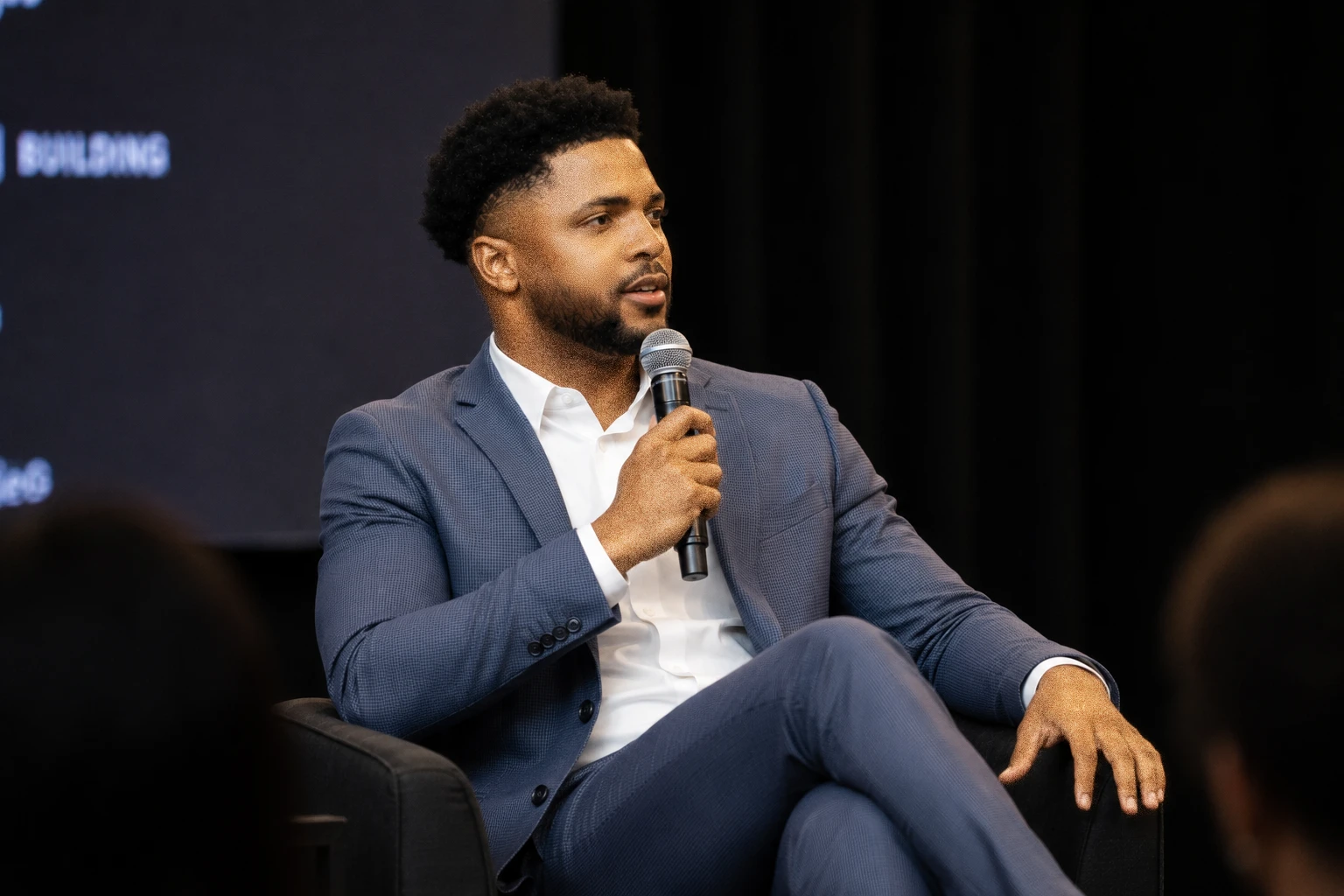 Ron SmithPresident & Lead RecruiterTekRecruiter