Top 10 Questions I Should Ask in an Interview in 2026
Discover the essential questions I should ask in an interview to land your dream tech role. Get insights, examples, and strategies for senior engineers.
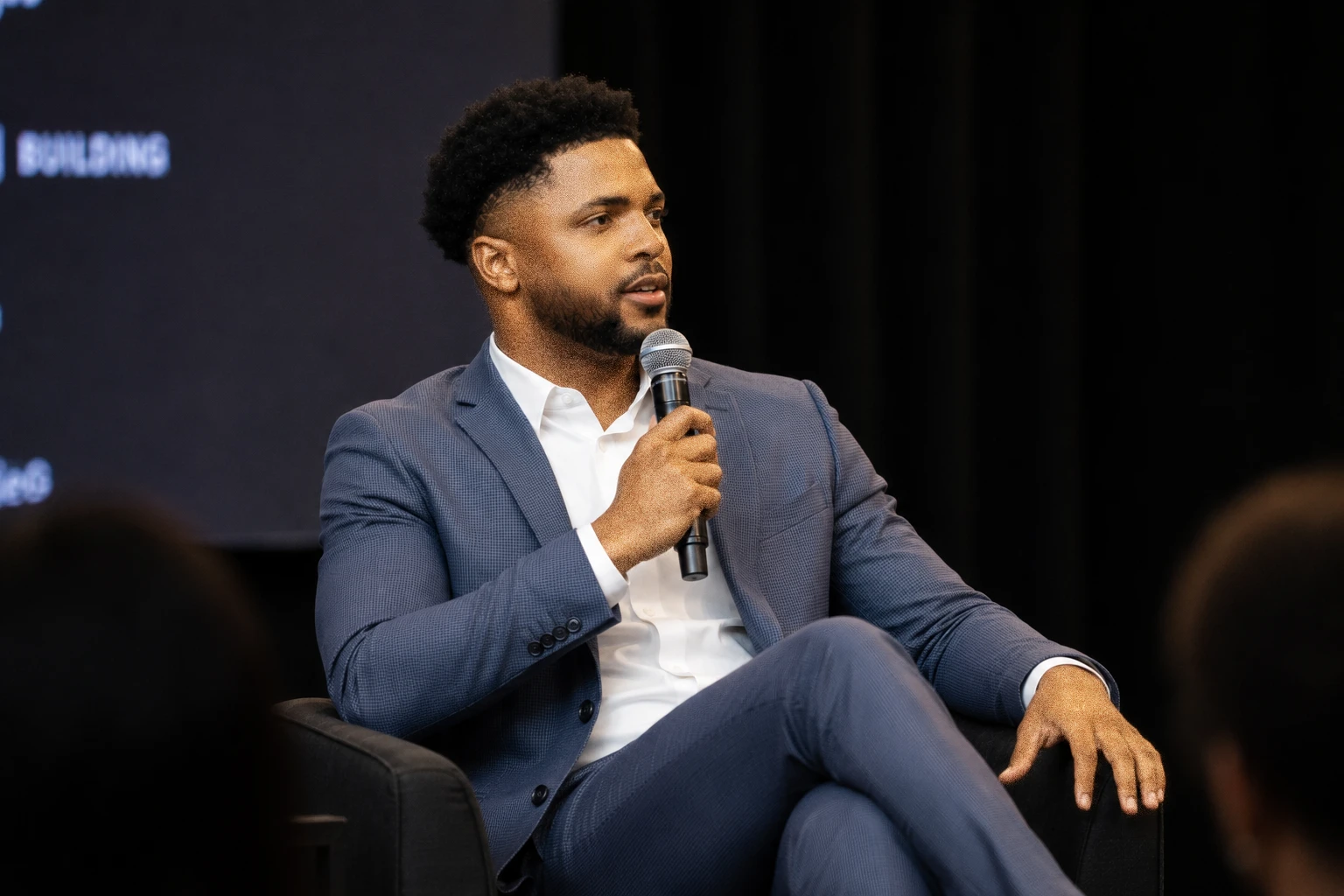

The interview is a two-way street. While you're being evaluated, you are also evaluating the company, the team, and the role itself. Asking the right questions i should ask in an interview does more than just gather information; it demonstrates your expertise, shows your strategic thinking, and reveals whether the opportunity aligns with your long-term career goals.
For senior engineers and tech leaders, the questions you ask can be more telling than the answers you give. They differentiate you from other candidates by showcasing your deep understanding of technology, process, and business impact. This guide provides a curated list of crucial questions to ask, categorized for clarity. To truly master the art of asking smart questions and performing well, consult an ultimate guide to effective interview practice to refine your overall strategy.
We'll explore not just what to ask, but why to ask it, what red flags to watch for, and how to interpret the answers to ensure your next move is the right one. Forget generic advice; these are the strategic inquiries that uncover the reality behind the job description. These questions will help you identify high-performing teams, assess company culture, and find roles where you can truly make an impact. This isn't just about getting a job offer; it's about securing the right one.
1. The Strategic Questions: Technical & Architectural Deep Dive
For senior engineers, the technical interview is a two-way street. Beyond demonstrating your skills, it's your prime opportunity to evaluate if the company’s engineering culture and technical foundation align with your expertise. These questions go past surface-level inquiries to probe the company's technical maturity, architectural philosophy, and engineering standards. This is how you determine if you'll be joining a team that builds sustainable, scalable systems or one that is constantly putting out fires.
Sample Questions to Ask
These are some of the most important questions I should ask in an interview to understand a company's technical reality. Frame them to invite a detailed conversation:
System Architecture: "Can you walk me through the current system architecture at a high level? What are the biggest architectural challenges you're facing, and what is the strategic plan to address them?"
Technical Debt: "How does the team manage technical debt? Is there a formal process for identifying, prioritizing, and paying it down, or is it handled on an ad-hoc basis?"
Cloud & Technology Adoption: "What is your cloud strategy-for instance, are you committed to a single provider, multi-cloud, or a hybrid approach? How do you decide when to adopt new services or technologies?"
A strong answer reveals a deliberate strategy. For instance, a manager might explain, "We chose a microservices architecture on AWS to support independent team deployments, but we're currently tackling inter-service communication latency with a new event-driven approach. We allocated 15% of our last quarter's roadmap to this."
Why Ask and What to Listen For
These questions reveal whether a company is proactive or reactive. Thoughtful answers demonstrate a commitment to quality and long-term thinking. A detailed cloud strategy, for example, is critical for modern development. To dive deeper, consider exploring a CTO's guide to cloud development for context on best practices.
Red Flags: Watch for vague responses, defensiveness, or dismissing technical debt as "not a priority." An inability to articulate architectural trade-offs suggests a lack of strategic oversight.
Timing: These questions are most effective during discussions with a Principal Engineer, Architect, or VP of Engineering who has direct influence over the technical roadmap.
2. The AI & Automation Questions: Practical Implementation Deep Dive
For companies integrating artificial intelligence, asking about a candidate's hands-on experience is critical. This line of questioning moves beyond theoretical knowledge to assess their ability to build, deploy, and manage real-world AI solutions. It’s your opportunity to see if they understand the entire AI lifecycle, from data preparation to production monitoring. This is how you differentiate between someone who has read about AI and someone who has successfully delivered tangible business value with it.

Sample Questions to Ask
These are some of the most important questions I should ask in an interview to gauge a candidate's true AI engineering capability. Frame them to encourage a narrative:
AI Lifecycle: "Can you walk me through a specific AI or machine learning project you built? What was the business problem, how did you approach data collection and preprocessing, and what was the final outcome?"
Technology & Frameworks: "Describe a time you used frameworks like TensorFlow, PyTorch, or LangChain. Why did you choose that specific tool, and what were its limitations for your use case?"
Production & Scalability: "What are the biggest challenges you've faced deploying an AI model into a production environment? How did you address issues related to scalability, latency, and monitoring?"
A strong answer reveals practical problem-solving. An engineer might explain, "For a predictive analytics project, I built a pipeline in Python using TensorFlow. We initially struggled with data quality, so I implemented a rigorous preprocessing step with Pandas. The model was deployed on AWS SageMaker, and we used custom CloudWatch metrics to monitor for model drift."
Why Ask and What to Listen For
These questions reveal a candidate's depth and pragmatism. Strong answers show a clear understanding of the trade-offs involved in building AI systems. A candidate who can discuss responsible AI practices like bias detection or the challenges of MLOps is far more valuable than one who only knows model training. For more context, review this CTO's guide on how to implement AI in business.
Red Flags: Vague descriptions of projects, an inability to detail the tools used, or a lack of awareness about deployment and maintenance are warning signs. Glossing over challenges suggests inexperience.
Timing: Ask these questions during the technical screen with a senior AI/ML engineer or during the final round with a hiring manager responsible for AI initiatives.
Finding elite engineers with proven AI implementation experience is a challenge. TekRecruiter connects innovative companies with the top 1% of AI and software engineers, providing the specialized talent needed to execute your most ambitious technology roadmaps.
3. The DevOps and Automation Questions: Building the Delivery Engine
For roles overseeing delivery and modernization, such as IT Director or Program Manager, understanding a candidate's grasp of DevOps is essential. These questions assess their direct experience with CI/CD pipelines, Infrastructure as Code (IaC), containerization, and monitoring. This is how you determine if a candidate can build and lead a team that ships reliable software quickly or if they are still tied to manual, error-prone processes.

Sample Questions to Ask
These are some of the most important questions I should ask in an interview to gauge a candidate’s automation and DevOps maturity. Frame them to elicit specific project details and outcomes:
CI/CD Implementation: "Can you describe a CI/CD pipeline you designed or significantly improved? What were the key tools (e.g., Jenkins, GitLab CI, GitHub Actions), and what was the measurable impact on deployment frequency or lead time?"
Infrastructure as Code (IaC): "Describe your experience with Infrastructure as Code. What tools like Terraform or CloudFormation have you used, and at what scale? How did you manage state and handle secrets within your IaC workflow?"
Containerization & Orchestration: "Walk me through your experience with containerization using Docker and orchestration with Kubernetes. What challenges have you faced in managing clusters, and how did you use tools like Helm or ArgoCD to solve them?"
A strong answer provides concrete metrics. For example, a candidate might state, "I led the migration from manual deployments to a fully automated GitLab CI pipeline, which reduced our deployment time from four hours to 15 minutes. We managed over 500 servers on AWS using a modular Terraform setup, which cut provisioning time by 90%."
Why Ask and What to Listen For
These questions reveal whether a candidate thinks in terms of systems and scalability. Answers should demonstrate a clear understanding of how automation directly supports business goals by increasing speed and reliability. For more context on IaC, explore these top 10 infrastructure as code best practices to see what modern excellence looks like.
Red Flags: Watch for candidates who only describe tools without explaining the "why" or the business outcome. A lack of familiarity with security practices in CI/CD, like secrets management or vulnerability scanning, is another major concern.
Timing: These questions are critical when interviewing for any senior engineering, DevOps, or IT leadership role. They are best posed during the primary technical screening with a hiring manager or a senior member of the engineering team.
Finding engineers with this depth of DevOps expertise is a challenge. TekRecruiter specializes in connecting companies with the top 1% of pre-vetted DevOps and AI engineers, allowing you to deploy elite talent exactly when you need it.
4. The Global Collaboration Questions: Distributed & Asynchronous Work
In a globally connected economy, the ability to collaborate across time zones and cultures is no longer a "nice-to-have" but a core operational necessity. For companies with nearshore or offshore delivery models, like TekRecruiter's integrated teams in Latin America and Europe, this question is critical. It moves beyond simple remote work experience to assess a candidate's practical skills in asynchronous communication, cultural fluency, and time zone management. This is how you find engineers who can build unified, high-performing teams, regardless of geography.

Sample Questions to Ask
These are some of the most important questions I should ask in an interview to gauge a candidate's fitness for a distributed environment. Frame them to elicit specific examples:
Asynchronous Processes: "Describe a time you collaborated with a team in a significantly different time zone. How did you structure your handoffs and documentation to ensure the project moved forward 24/7?"
Cultural & Communication Gaps: "Tell me about a situation where a cultural misunderstanding or communication style difference impacted a project. How did you identify the issue and what steps did you take to resolve it?"
Tooling & Documentation: "What tools do you find most effective for asynchronous work, like Slack, Confluence, or GitHub discussions? Can you give an example of documentation you created that enabled a teammate to complete a task without needing a real-time meeting?"
A strong candidate will provide concrete examples. For instance, "On a previous project, our US team handed off work to a team in India. I created detailed release tickets with handoff checklists and recorded short video walkthroughs of my code changes, which reduced morning clarification meetings by over 50%."
Why Ask and What to Listen For
These questions separate candidates who have merely "worked remotely" from those who have mastered distributed collaboration. Answers should reflect a proactive, process-oriented mindset. Effective management of global teams requires intentional strategy; for deeper insights, a modern playbook for managing distributed teams can provide excellent context on best practices.
Red Flags: Be wary of candidates who only talk about video calls or complain about time zone differences without offering solutions. A lack of specific examples or an inability to articulate the importance of written documentation suggests inexperience in a truly asynchronous setting.
Timing: These questions are valuable throughout the process but are especially potent when speaking with senior engineers or team leads who will be expected to mentor and guide colleagues across borders.
Finding engineers skilled in global collaboration is key to building a resilient, world-class team. TekRecruiter specializes in deploying the top 1% of engineers who excel in these distributed environments, helping you scale your innovations anywhere.
5. The Remote Work & Global Team Integration Questions
For companies building distributed teams, how you manage remote work is a direct reflection of your operational maturity. It’s not enough to simply allow remote work; you must have intentional processes that foster collaboration, productivity, and a cohesive culture across different time zones and locations. These questions help a candidate assess whether your company has built a thriving remote-first environment or is merely tolerating a distributed workforce.
Sample Questions to Ask
These are some of the most critical questions I should ask in an interview to gauge a company’s commitment to effective remote operations. Frame them to understand the daily reality of a distributed engineer:
Communication & Collaboration: "What does a typical async communication cycle look like? What tools and processes do you have in place to ensure someone in a different time zone feels included and can contribute effectively?"
Onboarding & Support: "Can you describe the onboarding process for a fully remote engineer? How do you facilitate mentorship and provide IT or HR support to team members who are not in a physical office?"
Performance & Culture: "How is performance measured and what does career progression look like for remote employees? What specific activities or rituals do you practice to build team camaraderie and a shared culture across geographies?"
A strong answer demonstrates intentionality. For example, a hiring manager might say, "We operate on a 'documentation-first' principle using Confluence, and all major decisions are debated in public Slack channels to allow for async input. New remote hires are assigned a 'buddy' for their first 90 days and we have a dedicated #virtual-water-cooler channel for non-work chat."
Why Ask and What to Listen For
These questions separate companies that are truly remote-first from those that are office-centric with remote exceptions. The answers reveal the level of investment made in the remote employee experience, which is a key predictor of your potential success and satisfaction in the role. Thoughtful remote policies are a hallmark of modern, forward-thinking organizations.
Red Flags: Be wary of answers that heavily emphasize in-office culture or mention that remote employees might miss out on "impromptu" decisions. A lack of clear processes for async collaboration or vague descriptions of remote onboarding are significant warning signs.
Timing: These questions are excellent for discussions with the hiring manager or a potential team member who is also remote. Their direct experience will provide the most honest and insightful answers.
As companies expand their talent search globally, partnering with a firm that understands the nuances of building elite, distributed teams is essential. TekRecruiter specializes in connecting innovative companies with the top 1% of remote engineering talent, ensuring you build a world-class team, no matter where they are located.
6. The Security & Compliance Questions: Protecting the Foundation
In a world driven by data, security is not just an IT problem; it's a core engineering responsibility. For any role handling sensitive information or operating in regulated industries, understanding a company's security posture is non-negotiable. These questions are designed to assess the organization's commitment to secure coding, compliance adherence, and proactive threat mitigation. This line of inquiry helps you determine if security is integrated into the development lifecycle or treated as an afterthought.
Sample Questions to Ask
These are some of the most critical questions I should ask in an interview to gauge a company’s security maturity. Use them to start a meaningful dialogue about risk and responsibility:
Secure Development Lifecycle: "How is security integrated into your development process? Can you describe your approach to threat modeling, secure code reviews, and vulnerability scanning?"
Compliance & Frameworks: "What compliance frameworks, like HIPAA, GDPR, or NIST, does your team adhere to? How does that impact day-to-day development and deployment?"
Incident Response: "Could you share a non-sensitive example of how the team has handled a security incident or a critical vulnerability? What was the process and what were the key lessons learned?"
An insightful response provides specific examples. For instance, a hiring manager might say, "We follow a DevSecOps model. Developers use Snyk to scan dependencies in their CI/CD pipelines, and all pull requests require a security review. We recently completed a SOC 2 Type II audit, which required us to formalize our incident response plan, now managed in PagerDuty."
Why Ask and What to Listen For
These questions reveal whether a company views security as a collaborative effort or a siloed function. Proactive measures, regular training, and a clear understanding of compliance obligations demonstrate a mature security culture. For those in highly regulated fields, this is an area where no detail is too small.
Red Flags: Be wary of answers that downplay security's importance, lack a defined incident response plan, or treat compliance as a mere box-ticking exercise. A statement like "security is another team's problem" is a major warning sign.
Timing: These questions are excellent for interviews with Engineering Managers, a CISO, or a Staff Engineer. Their answers will reflect the on-the-ground reality of security practices.
7. The Growth & Adaptability Questions: Assessing Learning Agility
In a field where technologies become outdated in years, not decades, a candidate's current tech stack proficiency is only half the story. The other, more critical half is their ability to learn, adapt, and become productive with new tools and frameworks quickly. These questions shift the focus from what a candidate knows to how they learn. This is how you distinguish between an engineer who is an expert in a single stack and one who can provide value across your organization's evolving technical needs.
Sample Questions to Ask
These are some of the most important questions I should ask in an interview to gauge a candidate's future potential and adaptability. Frame them to understand their learning process:
Recent Learning: "Can you tell me about the most recent technology or framework you learned? What was your process for getting up to speed, and how long did it take you to become productive with it?"
Challenging Transitions: "Describe a time you had to transition to a significantly different technology, like moving from a monolithic architecture to event-driven microservices. What were the biggest hurdles, and how did you overcome them?"
Learning Resources: "What resources do you rely on to stay current and learn new skills? Do you follow specific blogs, contribute to side projects, or participate in any developer communities?"
A compelling answer provides specific details about the learning journey. For example, "I recently learned Rust for a personal systems programming project. I started with the official documentation, 'The Rust Programming Language' book, and then built a small command-line tool. I was able to contribute meaningfully to a simple open-source project within about six weeks."
Why Ask and What to Listen For
These questions reveal a candidate's intellectual curiosity and problem-solving mindset. An engineer who actively seeks out new knowledge is an asset, especially for companies with diverse or modernizing tech stacks. A proactive learner can onboard faster and contribute more broadly.
Red Flags: Watch for candidates who haven't learned a new skill in years, dismiss unfamiliar technologies, or can't articulate a clear process for acquiring new knowledge. A lack of side projects or disinterest in the broader tech community can also indicate a passive approach to growth.
Timing: These questions are effective with any engineering candidate but are particularly revealing when asked by a hiring manager or a senior team member who can relate to the learning curve of specific technologies.
8. The On-Call & Production Support Questions
Understanding a company's approach to on-call responsibilities and production support is crucial for gauging work-life balance and the stability of its systems. These topics reveal how an organization handles incidents, manages stress, and values its engineers' time outside of working hours. For a senior engineer, this isn't just about a potential inconvenience; it's a direct reflection of the company's operational maturity, system reliability, and overall engineering culture.
Sample Questions to Ask
These are some of the most critical questions I should ask in an interview to understand the real-world impact of production support on the engineering team. Frame them to get a clear picture of the on-call experience:
On-Call Process: "What does the on-call rotation look like for this team? How many people are in the rotation, how long is a shift, and what is the typical volume of alerts?"
Incident Management: "Can you describe the process for handling a production incident? Who gets involved, what are the communication protocols, and how are post-mortems conducted?"
System Stability: "What are the most common causes of production alerts? Are you seeing recurring issues, and what proactive steps are being taken to improve system reliability and reduce alert fatigue?"
A mature answer provides specifics on process and philosophy. For example, a hiring manager might say, "We have a six-person, one-week rotation with a primary and secondary on-call. We follow a formal incident commander framework for major issues and conduct blameless post-mortems for every SEV-1 and SEV-2 incident, with action items tracked in our next sprint."
Why Ask and What to Listen For
These questions help you determine if the role involves firefighting or strategic problem-solving. A well-defined on-call process with a focus on root cause analysis indicates a healthy engineering environment. It’s also important to understand how teams collaborate, especially in distributed settings. Inquiring about their best remote work practices for effective teams can show how they maintain clear communication and support during high-pressure incidents across different locations.
Red Flags: Watch out for answers like "everyone is on call" or a lack of a formal incident response process. Vague descriptions of alert sources or a culture that normalizes frequent late-night pages suggest underlying systemic issues and potential burnout.
Timing: These questions are excellent for discussions with the hiring manager or team members who are currently part of the on-call rotation. Their firsthand experiences will provide the most honest and detailed perspective.
9. Walk Me Through Your Experience with Agile/Scrum Methodologies and Team Collaboration
For modern software teams, Agile and Scrum aren't just buzzwords; they are the operational frameworks that dictate how work gets done, how teams communicate, and how products evolve. Asking a candidate to detail their experience with these methodologies is critical for evaluating their ability to integrate into your existing workflows. This line of questioning moves beyond theory to assess their practical experience in collaborative, iterative development environments, revealing their maturity and potential cultural fit.
Sample Questions to Ask
These are some of the most important questions I should ask in an interview to gauge a candidate's hands-on Agile experience. Frame them to encourage specific examples:
Ceremony Participation: "Can you describe your role in a typical sprint? How do you contribute during sprint planning, daily stand-ups, and retrospectives?"
Conflict & Adaptation: "Tell me about a time a sprint didn't go as planned. What was the cause, how did the team adapt, and what did you learn from the experience?"
Process Improvement: "How have you contributed to improving a team's Agile process? Can you give an example of a change you suggested in a retrospective that was adopted?"
A strong answer provides concrete details. For instance, a senior engineer might say, "In my last project, our velocity was inconsistent. During a retrospective, I noticed our stories were too large, so I proposed a team norm to break down any story estimated over 8 points. After implementing this, our sprint predictability improved by 30%."
Why Ask and What to Listen For
These questions show whether a candidate is a passive participant or an active contributor to a team's success. Their answers will demonstrate their understanding of Agile principles like continuous improvement, transparency, and collaboration. The goal is to see evidence of them taking ownership within the team structure, not just attending meetings.
Red Flags: Watch for candidates who can only define Agile terms but offer no personal examples. Blaming others for sprint failures or showing indifference to process improvement suggests a lack of accountability and team-oriented mindset.
Timing: These questions are ideal for the hiring manager or a senior team member to ask. They are effective for understanding how the candidate will function within the day-to-day reality of the team.
10. The Compensation & Total Rewards Questions: Beyond the Base Salary
Discussing compensation can feel awkward, but failing to do so early and clearly can lead to mismatched expectations and wasted time for everyone involved. For senior candidates, it's not just about the base salary; it's about understanding the total compensation picture and ensuring it aligns with your career goals, lifestyle, and the value you bring. Asking direct questions about compensation demonstrates your professionalism and ensures you're pursuing opportunities that meet your financial and professional needs.
Sample Questions to Ask
These are some of the most important questions I should ask in an interview to achieve full transparency on compensation. You can frame them to open up a collaborative discussion:
Total Compensation Structure: "Could you provide a breakdown of the total compensation for this role, including the salary range, bonus structure, and any equity grants? What is the vesting schedule for the equity?"
Flexibility & Models: "I'm interested in the value I can provide. Are you open to different engagement models, such as contract or fractional work, in addition to a full-time W2 role?"
Performance & Growth: "How are salary and bonus reviews conducted? What does the trajectory for compensation growth look like for high performers in this position?"
A transparent answer provides a clear range and context. A hiring manager might say, "The base salary range for this Senior Engineer role is $180,000 to $200,000. Additionally, there's a 15% annual performance bonus and an initial equity grant of $100,000 vesting over four years. We review compensation annually based on both individual and company performance."
Why Ask and What to Listen For
These questions clarify expectations upfront and prevent a disappointing offer after weeks of interviews. They also reveal how a company values its employees and structures its rewards. A willingness to discuss various engagement models, like contract or nearshore remote roles, can indicate a modern, flexible approach to talent. Researching market rates on sites like Levels.fyi and Glassdoor beforehand empowers you to have a data-driven conversation.
Red Flags: Watch out for companies that refuse to provide a salary range, are vague about the bonus structure, or downplay the importance of equity details. Hesitation to discuss compensation openly can signal a lack of transparency in other areas of the business.
Timing: It's best to address compensation with the recruiter or HR manager during the initial screening calls. This ensures alignment before you invest significant time in the technical and team-fit stages.
Top 10 Interview Questions Comparison
Question / Topic | Implementation Complexity 🔄 | Resource Requirements ⚡ | Expected Outcomes 📊 | Ideal Use Cases 💡 | Key Advantages ⭐ |
|---|---|---|---|---|---|
Tell Me About Your Experience with Cloud Platforms (AWS, Azure, GCP) | Medium — multi-provider patterns and integrations | Cloud accounts, project artifacts, certified candidates | High impact — faster cloud placements and accurate role matching 📊 ⭐⭐ | Cloud modernization, DevOps, multi-cloud migrations | Reveals hands-on deployment experience and certification alignment |
Describe Your Experience Building or Implementing AI Solutions | High — data, modeling, deployment complexity | Significant: datasets, compute, ML frameworks, MLOps pipelines | Very high impact — production ML/AI features and automation 📊 ⭐⭐⭐ | AI productization, LLM integrations, ML pipelines | Distinguishes rare, high-value AI engineering skills |
What DevOps and Infrastructure Automation Experience Do You Have? | Medium‑High — orchestration and IaC complexity | CI/CD tools, IaC codebases, container platforms | High impact — faster releases, reproducible infra 📊 ⭐⭐ | Cloud modernization, automation at scale, SRE work | Measurable delivery improvements and automation expertise |
How Do You Approach Working in Distributed, International Teams? | Medium — coordination and cultural adaptation | Collaboration tooling, documentation practices, overlap hours | Moderate‑high impact — smoother cross-border team integration 📊 ⭐⭐ | Nearshore/offshore delivery, global engineering teams | Indicates async communication skills and cultural intelligence |
Describe a Complex Technical Problem You Solved and Your Problem‑Solving Approach | Variable — depends on problem scope 🔄 | Debugging tools, logs, cross-team collaboration | High impact — demonstrates real-world problem solving 📊 ⭐⭐ | Hiring senior engineers for critical systems and incidents | Reveals analytical approach, resilience, and technical depth |
What is Your Experience with Cybersecurity Best Practices and Compliance? | High — regulatory and security depth required | Security tooling, audits, compliance frameworks | High impact — reduced risk and regulatory alignment 📊 ⭐⭐⭐ | Regulated industries, security‑critical systems, leadership roles | Critical differentiator for sensitive implementations |
Tell Me About Your Experience with Specific Tech Stacks and Your Learning Agility | Low‑Medium — varies by stack familiarity | Time for ramp, learning resources, side projects | Moderate impact — rapid ramp-up and versatility 📊 ⭐⭐ | Startups, scale-ups, roles needing quick cross‑stack onboarding | Identifies adaptable candidates and continuous learners |
Describe Your Experience with Software Architecture and Design Patterns | High — requires system‑level thinking 🔄 | Architecture docs, design reviews, senior experience | Very high impact — scalable, maintainable systems 📊 ⭐⭐⭐ | CTO/VP roles, complex solution delivery, AI systems | Signals leadership in architectural decision‑making |
Walk Me Through Your Experience with Agile/Scrum Methodologies and Team Collaboration | Low‑Medium — process and cultural adoption | Agile tooling, ceremonies, facilitation experience | Moderate impact — improved team predictability and cadence 📊 ⭐⭐ | Team leads, Agile teams, organizations adopting Scrum | Indicates cultural fit and process-oriented collaboration |
What Are Your Salary Expectations and What Does Compensation Alignment Mean to You? | Low — procedural but sensitive | Market data, compensation benchmarks, negotiation skills | High operational impact — prevents mismatches and failed offers 📊 ⭐⭐ | Final-stage screening, offer negotiations, international placements | Ensures transparent expectations and smoother deal closure |
Find the Role Where Your Questions Get the Right Answers
An interview is often seen as a one-way street: the company evaluates you. But the most successful senior engineers, DevOps leaders, and CTOs recognize it for what it truly is: a two-way discovery process. The questions you ask are just as important as the answers you give. Moving beyond a simple script, the strategic inquiries we’ve explored in this guide are your tools for vetting an opportunity with the same rigor you’d apply to a complex system architecture. By mastering this part of the process, you shift from a candidate being judged to a partner assessing a potential collaboration.
The goal is not merely to get a job offer; it's to secure the right job offer. Asking pointed questions about technology strategy, team dynamics, and career pathways helps you peel back the layers of a company’s culture and operational reality. It reveals the true state of their technical maturity, their commitment to engineering excellence, and whether their stated values align with their daily practices. You are not just looking for a role that fits your resume; you are looking for a mission that aligns with your professional ambitions.
From Candidate to Strategic Partner
Think of your questions as diagnostic tools. The responses you receive, both verbal and non-verbal, provide critical data points for your decision-making.
Technology and AI Strategy: Probing into cloud platforms, AI implementation, and DevOps automation reveals whether a company is building for the future or stuck maintaining the past. Vague answers can be a red flag, signaling a lack of clear vision or technical leadership.
Process and Collaboration: Questions about Agile methodologies, distributed team structures, and problem-solving approaches uncover the reality of the development lifecycle. This is how you determine if you’ll be joining a high-functioning, collaborative team or stepping into a siloed, chaotic environment.
Growth and Impact: Inquiring about architecture, compliance, and career paths shows you’re thinking long-term. You want to know if this is a place where you can deepen your expertise, take on greater responsibility, and make a meaningful impact on the product and the business.
Ultimately, the best companies don’t just tolerate these questions; they welcome them. An organization that values curiosity, critical thinking, and strategic foresight will see your thoughtful inquiries as a positive sign. They are looking for more than just a coder; they are looking for a partner who will challenge assumptions, drive improvement, and help build something truly great. Your questions are the first demonstration of that value. By asking the right questions i should ask in an interview, you signal that you are a serious contender ready to contribute from day one.
Remember, a job description is just an advertisement. Your questions are the investigation. Use them to look past the surface-level pitch and find an organization where the answers resonate with your definition of a fulfilling career. Don't settle for a role where you just fit in; find the one where your questions lead you to a place you can thrive.
Finding an organization that can thoughtfully answer your most challenging questions is the first step toward a rewarding career move. As a premier technology staffing, recruiting, and AI Engineer firm, TekRecruiter specializes in connecting the top 1% of engineers with innovative companies that value strategic minds. We help you find opportunities where your expertise is not just needed, but celebrated, allowing you to deploy your skills and build the future of technology, anywhere. Partner with TekRecruiter to build the future of technology, anywhere.