- Home
- IT Staffing Services
- MSP & Outsourcing Search
Find the best managed service provider or IT outsourcing company.
TekRecruiter isn’t a managed service provider or outsourcing company. We find the best one, and you contract with them directly. We’re a technology and engineering staffing and recruiting agency. We find the top 1% of suppliers among more than 1 million worldwide, the same way we find the top 1% of talent. The search is free, and you pay the same as going direct, often less.
Trusted by teams at
















What is a managed service provider, and how is it different from professional services?
A managed service provider (MSP) is a company that runs part of your technology for you, such as cloud infrastructure, cybersecurity or IT support, usually for a monthly fee against a service level. Professional services firms and software development agencies take on defined projects instead, like a product build or a Salesforce rollout. TekRecruiter is neither. We find, vet and shortlist the best supplier for your need, you sign with them directly, and the supplier pays our fee.
- Managed service provider (MSP)
- Runs an ongoing function, such as cloud, security or support, to an agreed service level. Often called managed IT services.
- Professional services
- A firm hired for a defined piece of work, such as a software build, an AI implementation or a platform migration.
- IT outsourcing
- Handing a technology function or project to an outside company that owns the result, rather than adding people to your own team.
- Software development agency
- A company that designs, builds and maintains software for you, such as a web or mobile product, priced by fixed price or time and materials.
- AI engineering services
- Firms that build AI into your product or operations, from LLM applications and agents to data pipelines, model deployment and governance.
- Fractional leader
- An experienced executive, such as a virtual CTO or an AI strategy lead, who works with you part-time.
What it costs to choose an MSP or outsourcing company on your own.
Every MSP and development agency says it’s the right fit, and on your own you can only vet a handful. These are the problems we see buyers run into after they sign.
- 01
A stack you can’t scale or staff.
The supplier proposes the technology it knows best. A year later it won’t carry your next stage, and few engineers can maintain it.
- 02
Pricing with nothing to compare.
You can’t tell how one quote stacks up against a hundred other suppliers in the same region, so you don’t know whether you’re overpaying.
- 03
Too few options.
A handful of RFPs is about all a team can run, which is too few to compare pricing models and approaches properly.
- 04
Paying twice.
Four vendors with overlapping contracts, a service you were already getting in another package, and a new contract that starts before the old one ends.
- Technology and engineering suppliers we reach worldwide
- 1M+
- Best-fit options on your shortlist
- Top 3
- What the search costs you
- $0
More than 1 million IT services and software suppliers, from independent consultants to the largest firms.
We reach them through our network and broker-level partner access, in the specialties we recruit for every day. Because we know the talent in each specialty, we know what the top 1% of suppliers look like. Bring in a supplier for the whole job, one piece of it, or one leader.
BuildSoftware, mobile and AI engineering companies
TransformAI consulting and automation
- AI consulting companies
- AI transformation companies
- AI automation companies
- AI business process automation companies
RunManaged IT, security and audit
The same price as going direct to an MSP, often less, and far more options.
Suppliers compete when we compare them, and we know the market, the reputations behind the reviews and the right size for you, whether you’re a startup, a small business or a mid-size company. That’s why your price is never higher than going direct, and is often lower. Here’s what else you can count on.
- Far more options. We compare far more suppliers than you could ever run RFPs for on your own, then bring you the best three that fit.
- How we’re paid, in plain terms. The supplier you choose pays us an industry-standard 10% finder’s fee. It’s the same for every supplier, and you pay nothing.
- Why suppliers pay it. Between 64% and 70% of technology spending flows through partners rather than direct sales, according to Forrester and Canalys. Working with firms like ours is how suppliers grow.
- Vendor-, technology- and stack-agnostic. We have no catalog, no house stack and no platform to push, so the advice fits your need, not a supplier’s offering.
- No pitches until the shortlist is ready. You talk with us first. No supplier pitches you until we’ve narrowed the field to the best options.
- You sign with the supplier. The contract is between you and them. We aren’t a party to it, and your own legal review applies.
From the need to the right supplier.
We learn the need
What you want built, run or led, plus your stack, budget, timeline, and the contract, IP, security and location requirements that matter.
We agree on the criteria first
Before we contact any supplier, we agree with you on how the shortlist will be judged, so the decision rests on your needs, not a vendor’s pitch.
We search and vet
We reach suppliers through our network and broker-level partner access, learn how each would structure the work, and check track record, team, security, pricing and terms.
You meet the best three
You get the best three options that fit, with our reasoning written down. You talk with them directly and choose.
We check the terms, then stay in touch
Before you sign, we confirm scope, price and terms match what you asked for. The contract is yours with the supplier. Afterward we track start, end and renewal dates, and we’re here for the next need, whether that’s a hire or another supplier.
How we vet MSPs and software development companies, backed by what we see in the hiring market.
Suppliers tend to recommend the technology they already staff. We have no stack to sell, and we recruit engineers every day, so we can tell you how deep the talent pool is for what a supplier proposes before you commit. That way your team can hire for and maintain what gets built. Every supplier also clears the checks below.
- Proven in your exact need: past projects in the same problem and technology, with references you choose, not a capabilities deck.
- A stack you can hire for: our own read of the hiring market for the technology they propose.
- The named team: who will actually do the work, how long they’ve been there, and how often people leave.
- Estimates and scope change: how they price incomplete requirements and what happens when the scope moves.
- IP and security: written IP assignment, NDAs, and security evidence such as SOC 2 or ISO 27001 where it matters.
- Stability: who owns the company, how long it has operated, and whether its delivery rhythm fits your approvals.
| Going direct to a supplier | Finding the supplier with TekRecruiter |
|---|---|
| One firm’s services and one firm’s stack | The best three options, drawn from more than 1 million suppliers |
| Recommends the technology it already staffs | Hiring-market data on the stack each one proposes |
| You run the RFP, the calls and the comparison | One conversation with us; we run the outreach |
| Pricing you can’t benchmark | Pricing compared across suppliers, at the same price as direct or less |
| Renewal dates live in someone’s inbox | Start, end and renewal dates tracked for you |
One steady partner as your IT outsourcing needs grow.
Most companies end up with several suppliers, each doing one part of the work. We keep the whole picture and give neutral guidance when you need it, while the suppliers do the work and the contracts stay yours.
01 · Many suppliers
Several suppliers, one picture
One supplier builds, another runs the cloud, a third handles security. We keep track of what each one covers, so you don’t pay two of them for the same thing.
- What each supplier covers, side by side
- Overlaps caught before they cost you
- One contact for every supplier need
02 · Dates and terms
The right contract on the right date
We keep track of when each contract starts and ends, its length, its terms and its renewal window, so a new service starts when the old one ends and nothing renews by accident.
- Start, end and renewal dates tracked
- Terms and lengths on record
- A reminder before every notice window
03 · Leadership changes
A partner who remembers
When the leader who signed the contracts moves on, the supplier shouldn’t be the only one who knows the dates. We already know them, and we’re still here for whoever comes next.
- Contract history that outlasts a reorg
- A neutral view, not the supplier’s
04 · The talent bridge
Talent, timed to your contracts
When you’re ready to scale, the same partner finds full-time or contract talent, and times each hire to your project durations and services contracts. That could be the team that takes over from a supplier, or the engineers who extend one.
- Direct hire, contract and contract-to-hire
- Hiring timed to when a contract ends
- Engineers for the stack your supplier built
How to choose an MSP or IT outsourcing company.
Use this whether or not you work with us. It’s what we walk every client through.
How do MSPs and outsourcing firms price their work?
You’ll see four models. Fixed price sets one figure for a defined scope. Time and materials bills for the hours worked. Managed monthly, or a retainer, is typical for MSPs, priced per user, per device or per service level. Incentive or shared-risk terms tie part of the fee to outcomes, which aligns interests but is harder to measure.
Should I choose fixed price or time and materials?
Fixed price suits work whose scope won’t move. The supplier carries the risk of finishing, so expect a premium and milestone payments, and expect change requests to be where disagreements start. Time and materials suits a product that will evolve. It stays flexible, but it only works with a well-defined backlog and someone on your side managing it closely.
How do I read a supplier’s rate?
A rate covers the people’s pay and benefits, supervision, the supplier’s overhead and its margin. When a rate sits far under what the work usually costs, something in that list is missing. It usually means junior people, fees that appear later, or a different team from the one in the pitch. Compare rates for the same seniority and scope.
What should the contract pin down?
A service level agreement should name the service, the metric, how often it’s measured, each side’s obligations and the remedy when it’s missed. Ask for a written list of who will staff the work. Get IP assigned to you in writing before work starts, agree exit and handover terms, and note any auto-renewal notice window. This isn’t legal advice.
What should I ask a supplier before choosing one?
Who will work on this, and for how long? What’s your turnover? How do you estimate with gaps in the requirements, and handle scope change? What does a bad month look like, and what’s the remedy? Who owns the code, and what happens at exit? Then add our question. How deep is the hiring market for the stack you’re proposing?
Six signs to walk away before you sign.
We screen these out before a supplier reaches your shortlist. If you’re vetting on your own, watch for them.
Rates or timelines that look too good
A price well under the market is usually paid for later, through junior staff, extra fees or missed dates.
No named team
If the supplier can’t say who will do the work, or plans to hire the team after you sign, you’re buying a promise.
No references you can choose
Hand-picked case studies aren’t references. You should be able to speak with past clients in your kind of work.
Slow or vague answers
How a supplier answers during the sale is the best preview of how it will communicate once the work starts.
The pitch team disappears
Senior people who sell the deal and then vanish after the pilot leave you with a team you never met.
Process kept out of view
A supplier that won’t walk you through its delivery, QA and security practices hasn’t earned your production systems.
When a supplier search is the right call.
- Choosing an MSP or development partner, often for the first time, and wanting a real comparison.
- Stuck with a supplier or a stack, and planning a move you can staff afterward.
- Needing a leader part-time, such as a fractional CTO or an AI strategy lead.
- Short on time for an RFP, and needing the vetting done properly anyway.
- Wanting TekRecruiter to do the work. We find the supplier; the supplier delivers.
- Adding people to your own team. That’s staff augmentation, contract-to-hire or direct hire, and we recruit for those too.
- Needing someone to design the solution. The supplier you choose, or your own team, owns the design.
Three ways to find an MSP or development partner, side by side.
| With TekRecruiterYou are here | Going direct | Your own RFP | |
|---|---|---|---|
| What it costs you | Nothing; the supplier pays our 10% fee, and your price is the same as going direct or less | The supplier’s pricing | The supplier’s pricing, plus your team’s time |
| Options you see | The best three, drawn from more than 1 million suppliers | One supplier’s offering | A handful, as many as your team can vet |
| Advice on the stack | Neutral, with hiring-market data | Tied to what the supplier staffs | Depends on in-house expertise |
| Vetting | Team, references, IP, security and terms | Your own diligence | Your own diligence |
| Who signs the contract | You, directly with the supplier | You | You |
| After you sign | Dates, renewals and overlaps tracked, plus talent when you scale | The supplier’s account manager | Whoever owns the vendor |
With TekRecruiterYou are here
- What it costs you
- Nothing; the supplier pays our 10% fee, and your price is the same as going direct or less
- Options you see
- The best three, drawn from more than 1 million suppliers
- Advice on the stack
- Neutral, with hiring-market data
- Vetting
- Team, references, IP, security and terms
- Who signs the contract
- You, directly with the supplier
- After you sign
- Dates, renewals and overlaps tracked, plus talent when you scale
Going direct
- What it costs you
- The supplier’s pricing
- Options you see
- One supplier’s offering
- Advice on the stack
- Tied to what the supplier staffs
- Vetting
- Your own diligence
- Who signs the contract
- You
- After you sign
- The supplier’s account manager
Your own RFP
- What it costs you
- The supplier’s pricing, plus your team’s time
- Options you see
- A handful, as many as your team can vet
- Advice on the stack
- Depends on in-house expertise
- Vetting
- Your own diligence
- Who signs the contract
- You
- After you sign
- Whoever owns the vendor
MSPs and IT outsourcing, answered.
How do I choose a managed service provider?
Before you read any pitches, write down your scope, budget, pricing model, IP, security and location requirements. Then compare a short list of MSPs on proven work in your exact need, the named team, references you choose, security evidence and terms. Check that the stack they propose is one you can hire for. TekRecruiter runs this search for you.
How much does an MSP cost?
Most MSPs charge a managed monthly fee, priced per user, per device or per service level, while project work from a professional services firm is usually fixed price or time and materials. The price depends on scope, service levels and the seniority of the team, so compare quotes for the same scope and seniority, never the headline rate alone.
What is IT outsourcing?
IT outsourcing means handing a technology function or project to an outside company that owns the result, such as a managed service provider running your cloud or a software development agency building a product. It differs from staff augmentation, where individual experts join your team and you direct the work. See staff augmentation vs managed services.
What’s the difference between an MSP and a professional services firm?
An MSP runs an ongoing function, such as infrastructure, security or IT support, for a monthly fee against a service level. A professional services firm, including a software development agency, takes on a defined project, such as a product build or a platform implementation, and is paid by fixed price or time and materials. Many companies use both.
Does TekRecruiter provide managed services or IT outsourcing?
No. TekRecruiter is a technology and engineering staffing and recruiting agency. We find and vet the managed service providers, IT outsourcing companies, software development agencies and other suppliers who do that work, and you contract with them directly. The supplier delivers the work, and the supplier pays our fee.
Is TekRecruiter’s supplier search really free?
Yes. The supplier you choose pays TekRecruiter an industry-standard 10% finder’s fee, and you pay nothing for the search. The fee is set and is the same for every supplier, from independent consultants to the largest firms, so we have no reason to steer you toward one supplier over another.
Is it cheaper to go direct to an MSP?
No. Through TekRecruiter you pay the same price as going direct to the MSP, and often less. Suppliers compete when we compare them, and we know the market, their reputations beyond reviews and marketing, and the right size of supplier for a startup, a small business or a mid-size company.
How many suppliers can TekRecruiter compare?
Through our network and broker-level partner access, we reach more than 1 million technology and engineering suppliers worldwide, from independent consultants to the largest firms. We compare far more suppliers than you could ever run RFPs for on your own, then bring you the best three that fit your need, stack and budget.
Do I have to sign through TekRecruiter?
No. You sign directly with the supplier you choose, and TekRecruiter isn’t a party to the contract. You’re also free to work with any supplier on your own. Before you sign, we check that the scope, price and terms match what you asked for, and your own legal review always applies.
How do MSP brokers get paid?
MSP brokers and technology advisors are usually paid by the supplier, not the client, much like an insurance agent is paid by the carrier you choose. TekRecruiter’s fee is a flat, industry-standard 10% finder’s fee from the supplier. Suppliers pay it because most technology spending flows through partners: 64% according to Forrester and 70% according to Canalys.
How do I find the best software development agency or AI engineering company?
Judge each one on proven work in your exact need, the named team, references you choose and a stack you can hire for. TekRecruiter finds and vets software development agencies, AI engineering and consulting firms, cloud and cybersecurity MSPs, and QA firms, using what we know from recruiting software engineers and AI engineers.
What does vendor- and stack-agnostic mean?
We sell no platform and have no house stack, so we have nothing to push. We’re stack-agnostic, and we see the hiring market every day. Before you commit, we tell you how deep the talent pool is for the technology a supplier proposes, so what it builds is something you can staff, maintain and move off if you need to.
Will you design our solution or architecture?
No. TekRecruiter understands the technology well enough to vet suppliers and to share best practices, industry benchmarks and common approaches, but we don’t design solutions or architecture. The supplier you choose, or your own engineering team, owns the design, and we make sure the supplier you pick is the right one to do it.
What happens on the first call?
In 20 minutes we learn what you need built, run or led, your stack, budget and timeline, and what matters in the contract, such as IP, security and location. From there we agree on the shortlist criteria and start the supplier search. Book a 20-minute call with TekRecruiter.
1 Partner share of technology spending (Forrester, Jan 2020, Canalys via Channel Post MEA, Nov 2024), independent industry analysts.
Last updated .
Other ways we help.


Find the best supplier for the work.
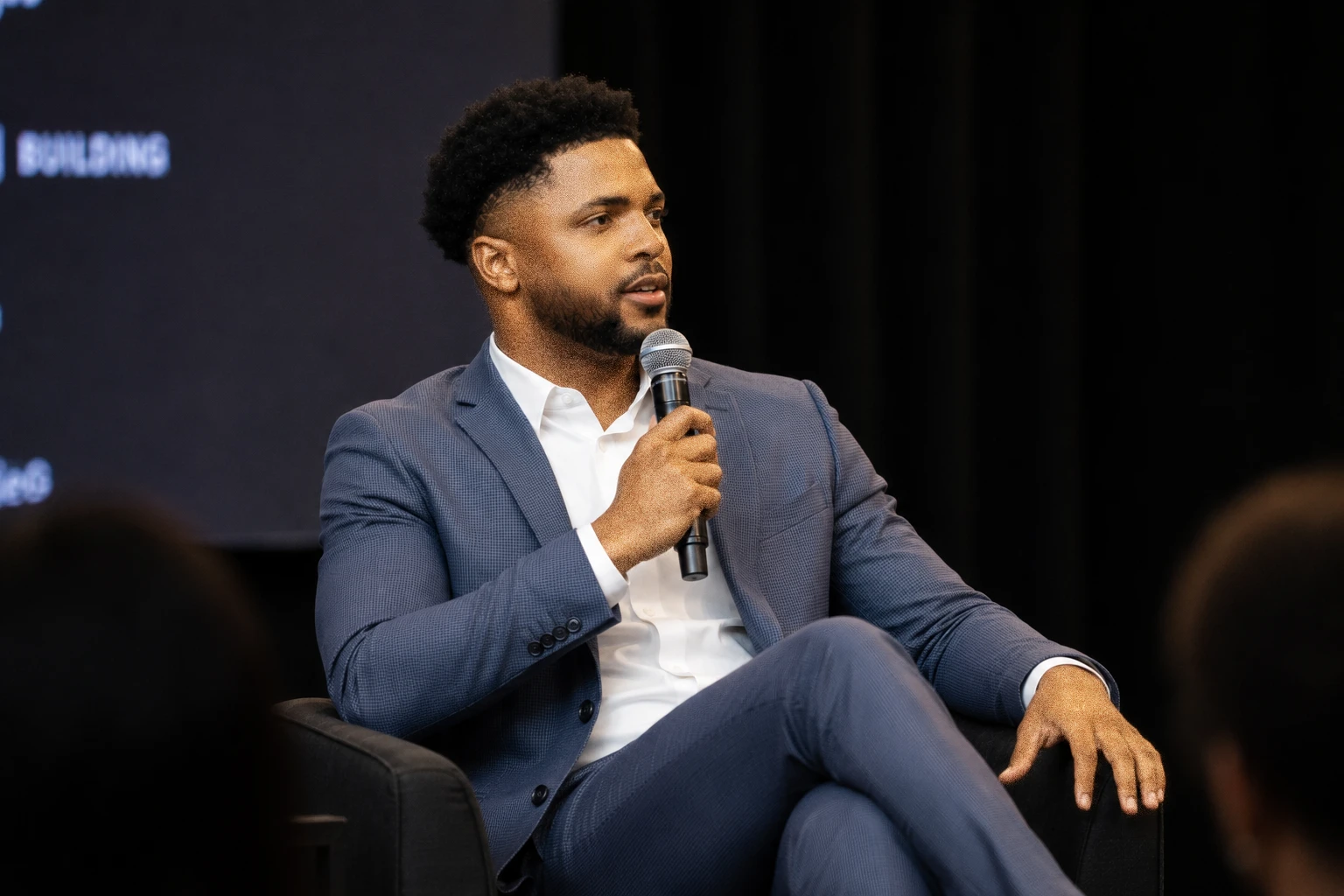
Tell us what you need built, run or led, and the stack and budget. You’ll talk with our founder, Ron Smith.